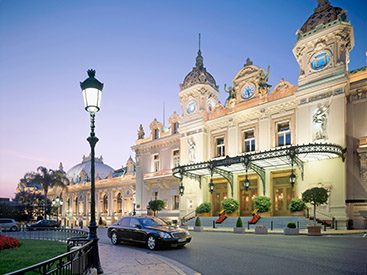
 MONACO
Le prestige international de la Principauté et la taille de son territoire (moins de 2 km2) font de l’immobilier monégasque un marché spécifique offrant aux investisseurs de nombreux avantages.
- La sécurité exceptionnelle des biens et des personnes dont jouit le Pays
- De part son climat méditerranéen avec ses hivers doux et ses étés sans excès de chaleur, la vie à Monaco est agréable tout au long des saisons ;
- La fiscalité particulièrement avantageuse dont le principe général est l’absence de toute imposition directe (y compris sur les droits de succession liés aux biens immobiliers) ;
- Et surtout un environnement socioculturel permettant d’assister tout au long de l’année à des manifestations culturelles et sportives de niveau international.
EVOLUTION DU MARCHE
Le marché de l’immobilier de prestige à Monaco se porte plutôt bien, les transactions d’appartements ont vu leur chiffre augmenter au cours de ces dernières années.
Les quartiers les plus demandés de Monaco sont le secteur du port ou encore le quartier du Carré d’Or. Les appartements avec terrasse et vue mer sont très prisés.
LES PRIX
Les prix au mètre carré varient entre 20 000 et 35 000 euros et doublent dans le quartier du Carré d’or, dont les immeubles jouxtent les jardins du Casino, pouvant atteindre 30 000 à 60 000 €/m². Entre 2012 et 2013, les prix des biens à la vente, en grande majorité des appartements, sont restés stables, tandis que le nombre de transactions a augmenté de 30%.
LA CLIENTELE
La clientèle est principalement européenne (suisses, anglais, italiens), cependant il est à noter que les Russes et les pays de l’est sont de plus en plus présents. Le marché monégasque est un marché ouvert qui offre la possibilité à toute nationalité d’acquérir un bien.
L’APPARTEMENET LE PLUS CHER
C’est bien à Monaco que se situe l’appartement le plus cher au monde avec ses 91.000 € le mètre carré. Ce palais se situe dans la tour Odéon, livrable en 2014, est fait 3.300 m2. L’édifice sera le troisième plus haut de France et signe le retour des grands buildings à Monaco. Il sera aussi le premier building construit sur le "rocher" depuis les années 1980. Le Prince Rainier de Monaco avait en effet limité la hauteur des immeubles de sa principauté. Son fils et successeur, Albert de Monaco est revenu sur cette disposition en 2009 afin de pallier la saturation foncière de son micro-Etat. Si Monaco multiplie les projets immobiliers, il pourrait encore augmenter la densité de sa population qui atteint déjà le chiffre de 16.235 habitants au km2, un record mondial.
 elena.belluti

 We call you back !
  Sent us an E-mail


 Message envoyé
 Il y a des erreurs dans votre saisie